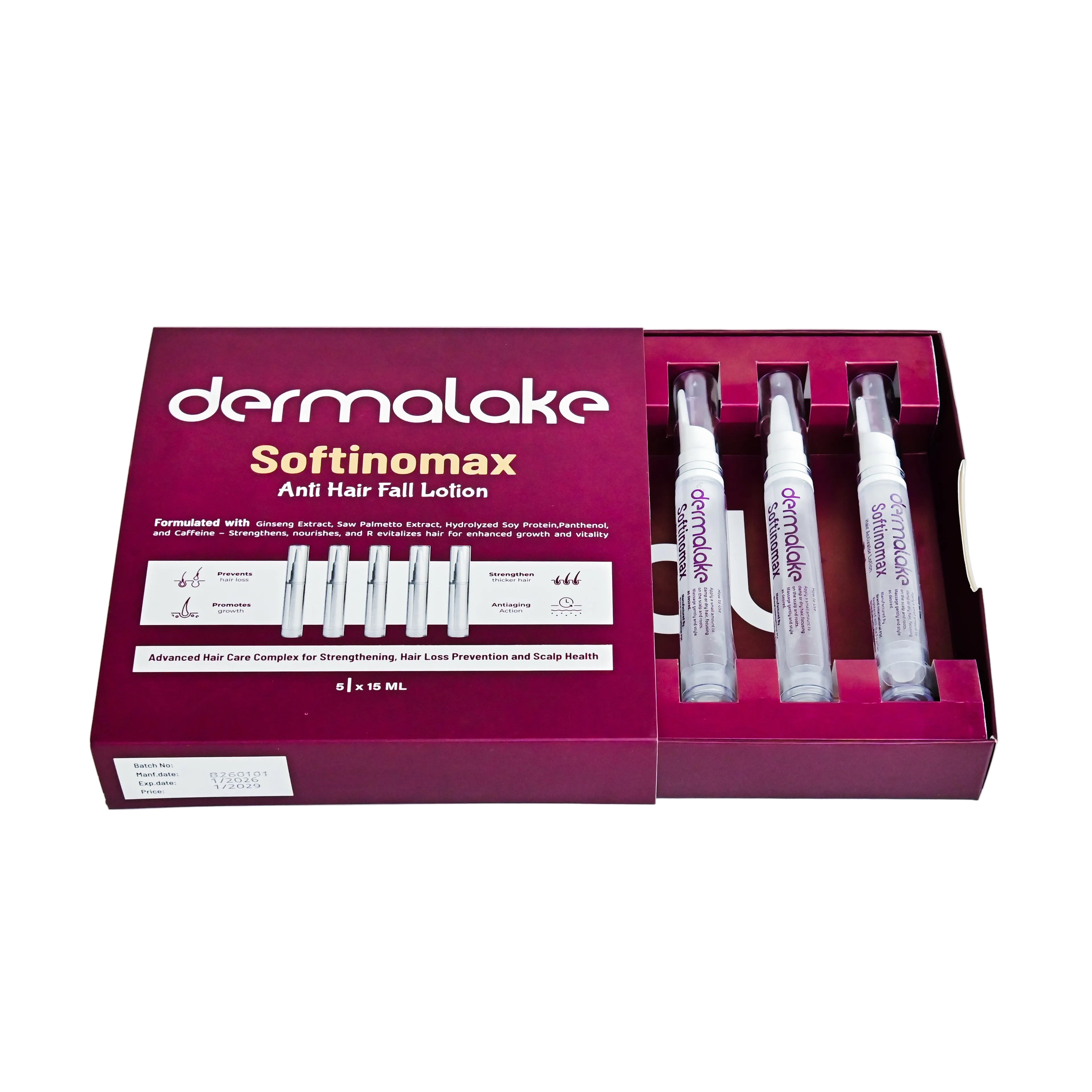


Anti Hair Fall: How to Support Stronger, Fuller-Looking Hair
A practical guide to healthier hair, scalp care, and consistent daily habits.
Understanding Hair Fall
Hair shedding is a normal part of the hair growth cycle, but noticeable or persistent hair fall can be frustrating.
Hair health is influenced by many factors, including nutrition, stress, sleep, styling habits, scalp condition, and overall health.
A consistent routine can help create better conditions for stronger, healthier-looking hair.
1. Take Care of Your Scalp
A clean, well-cared-for scalp provides a healthy environment for hair.
Use a gentle shampoo suited to your scalp type, avoid excessive scratching, and keep buildup under control.
When applying scalp products, massage gently with your fingertips rather than using your nails.
2. Be Gentle With Your Hair
Frequent heat styling, tight hairstyles, aggressive brushing, and harsh chemical treatments can contribute to breakage.
Use a wide-tooth comb when appropriate, avoid pulling wet hair, and reduce unnecessary heat exposure.
Protecting the hair shaft helps preserve the appearance of fullness and length.
3. Support Hair From the Inside
Hair needs adequate nutrients to grow normally.
Build meals around protein-rich foods and include a variety of fruits, vegetables, whole grains, and healthy fats.
Staying hydrated and maintaining regular, balanced meals can also support overall wellness.
4. Manage Stress and Prioritize Sleep
Periods of significant stress can sometimes be associated with increased shedding.
Regular movement, relaxation, and a consistent sleep schedule may help support overall health.
Small daily habits are often easier to maintain than drastic changes.
5. Stay Consistent
Healthy-looking hair usually takes time.
Rather than expecting an overnight transformation, focus on a simple routine that you can maintain consistently.
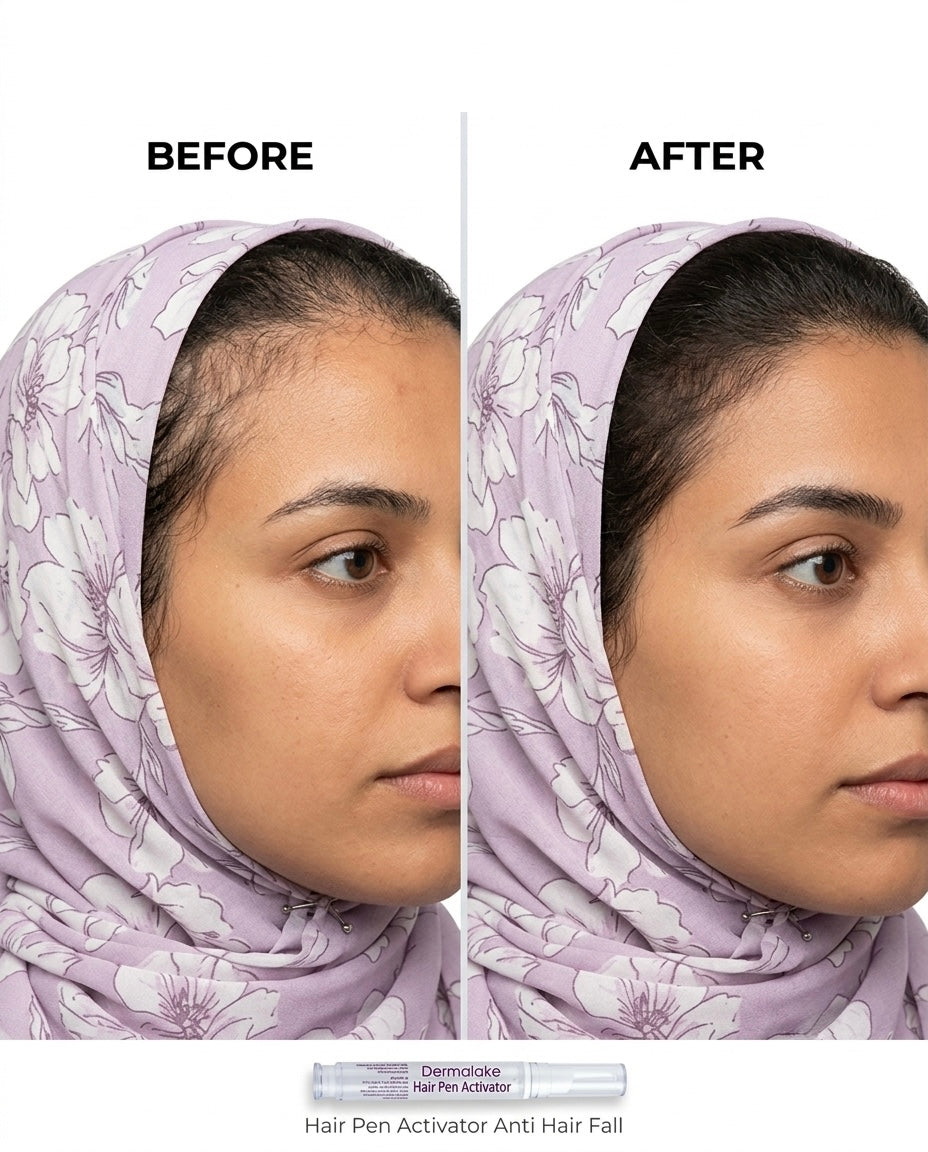
Take occasional photos under similar lighting so you can track changes objectively over time.
When to Seek Professional Advice
If hair loss is sudden, severe, patchy, accompanied by scalp symptoms, or continues despite improving your routine, consider speaking with a dermatologist or other qualified healthcare professional.
They can help identify possible causes and recommend appropriate treatment.
Final Thoughts
Stronger, fuller-looking hair starts with a healthy scalp, gentle hair care, good nutrition, and consistency.
Give your routine time to work, avoid harsh habits, and seek professional guidance when hair loss seems unusual or persistent.